
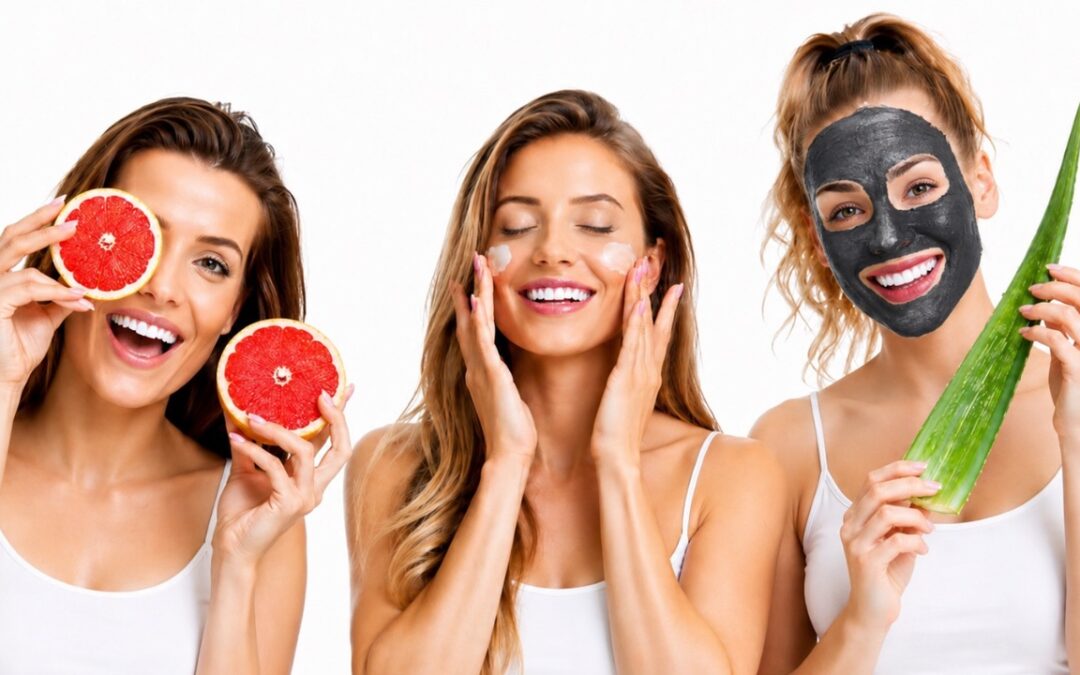
Natural skincare has evolved far beyond a passing beauty trend. As consumers become increasingly conscious of ingredient integrity, environmental sustainability, and overall wellness, many are reevaluating what they apply to their skin each day.
Growing awareness of ingredient transparency, environmental responsibility, and overall wellness has fueled renewed interest in natural and botanical skincare. Yet as demand grows, so does confusion. Many products marketed as “natural,” “green,” or “clean” contain predominantly synthetic ingredients, making it increasingly difficult to distinguish authentic botanical skincare from greenwashed marketing.
Understanding how to identify genuinely botanical products has become an important part of making more informed skincare choices.
In This Article, You’ll Learn
- Why natural skincare has become one of the fastest-growing segments of the beauty industry
- How to recognize greenwashed products and evaluate ingredient integrity
- Why ingredient sourcing, formulation philosophy, certifications, and packaging matter
- How botanical skincare supports healthy-looking skin through nourishment and balance
- What natural skincare means at Blue Beautifly and how science and nature can work together
Key Takeaways
- Authentic botanical skincare is defined by ingredient integrity, formulation philosophy, and transparency—not simply by marketing claims or the presence of a few plant ingredients.
- Growing consumer interest in natural skincare reflects increasing awareness of ingredient transparency, sustainability, skin health, and overall wellness.
- Many botanical ingredients naturally contain antioxidants, essential fatty acids, vitamins, minerals, and phytonutrients that help support healthy, resilient skin.
- Terms such as “natural,” “green,” and “clean” are often loosely defined, making it important to look beyond front-label marketing and evaluate the formulation itself.
- Authentic botanical skincare considers the complete picture, including ingredient quality, sourcing, certifications, formulation practices, packaging, sustainability commitments, and brand values.
- Packaging plays an important role in preserving ingredient integrity, protecting sensitive botanical compounds, and supporting environmental responsibility.
- Today’s botanical skincare increasingly draws upon both advances in skin biology and centuries of botanical and herbal wisdom.
- Healthy-looking skin is often cultivated through nourishment, balance, consistency, and support of the skin’s natural functions rather than continual intervention and aggressive correction.
The Shift Toward Conscious Beauty
Over the past two decades, beauty consumers have become increasingly informed and intentional about the products they use. Rather than focusing solely on immediate cosmetic results, many are seeking skincare that aligns with broader values such as ingredient transparency, environmental responsibility, and long-term wellness.
Growing awareness of skin sensitivity, eczema, psoriasis, allergies, and other health concerns has encouraged many consumers to take a closer look at the ingredients in their skincare products. At the same time, increasing interest in sustainability and overall well-being has contributed to a broader shift toward natural and botanical approaches to beauty.
As a result, consumers are increasingly seeking products that emphasize ingredient integrity, transparency, and long-term skin wellness rather than aggressive correction or the pursuit of quick results.
Why More Consumers Are Choosing Botanical Skincare
Plants have played a central role in skincare traditions around the world for thousands of years. Today, growing scientific understanding of skin health is helping explain why botanical ingredients continue to resonate with consumers seeking a more balanced approach to skincare.
Many botanical ingredients naturally contain antioxidants, essential fatty acids, vitamins, minerals, and phytonutrients that help support the skin’s natural functions. Rather than focusing solely on correction, many consumers are increasingly interested in skincare that helps nourish, protect, and maintain skin health over time.
This philosophy aligns closely with the growing recognition that skin barrier health plays a fundamental role in overall skin health. As discussed in our article, The Skin Barrier: The Foundation of Healthy, Resilient Skin, healthy skin depends heavily on maintaining the integrity of its natural protective barrier.
At the same time, research continues to highlight the importance of the skin microbiome—the diverse community of microorganisms that supports skin balance and resilience. Our article, The Skin Microbiome: Why Healthy-Looking Skin Depends on Balance, explores how maintaining this delicate ecosystem contributes to healthier-looking skin.
Why Consumers Are Taking a Closer Look at Skincare Ingredients
The growing interest in natural skincare is not necessarily a rejection of modern skincare science. Rather, it reflects a desire for greater transparency, ingredient awareness, and a better understanding of what consumers apply to their skin every day.
Many people are becoming more mindful of the cumulative exposure to ingredients encountered throughout daily life—from food, water, household products, personal care items, and environmental pollutants to other external stressors. This heightened awareness has led consumers to ask deeper questions about ingredient sourcing, formulation practices, environmental impact, and long-term skin compatibility.
Certain ingredients commonly used in skincare and cosmetic formulations—including synthetic fragrances, petrochemicals, formaldehyde-releasing preservatives, phthalates, parabens, phenoxyethanol, and some glycols—have become subjects of ongoing discussion within clean beauty, wellness, and environmental health communities. While opinions vary regarding the safety and appropriate use of these ingredients, many consumers prefer products formulated with greater simplicity, transparency, and ingredient integrity.
This shift also reflects growing recognition that skin health depends on more than correcting visible concerns. Increasingly, consumers are seeking products that support the skin’s natural barrier, microbiome, moisture balance, and overall resilience rather than relying solely on increasingly complex routines and continual intervention.
As a result, consumers are looking beyond marketing claims and paying closer attention to ingredient lists, sustainability practices, certifications, packaging choices, and overall brand philosophy.
Perhaps the future of skincare lies not in constantly challenging the skin, but in better understanding and supporting its natural ability to protect, repair, and maintain balance over time. This concept is explored further in our article, The Pursuit of Healthy Skin: Why Balance Matters More Than Appearance of Perfection.
The Truth About Greenwashed Skincare
One of the greatest challenges facing consumers today is that terms such as “natural,” “green,” and “clean” often lack universally accepted definitions. In the United States, the term “natural” remains largely unregulated within the beauty industry, giving brands unlimited latitude in how these claims are used.
As interest in botanical skincare continues to grow, so does the temptation to capitalize on consumer demand. Many products marketed as natural may contain only small amounts of botanical ingredients while relying primarily on synthetic or highly processed ingredients in the formulation. This practice is commonly referred to as greenwashing—the use of marketing messages, imagery, or branding that creates the impression of naturalness without necessarily reflecting the true nature of the product itself.
Greenwashing often relies on perception rather than formulation. Nature-inspired packaging, images of leaves and flowers, earth-toned colors, and phrases such as “natural,” “green,” “clean,” or “plant-based” can all create a powerful impression of botanical integrity. Yet these visual cues do not necessarily reveal how a product is formulated or the role botanical ingredients actually play within it.
These deceptive practices can make it increasingly difficult for consumers to distinguish genuinely botanical skincare from products that simply borrow the language and aesthetics of natural beauty. The challenge is further complicated by the fact that creating authentic botanical skincare is often more complex than many consumers realize. Botanical ingredients can present unique formulation, stability, sourcing, preservation, and manufacturing challenges that require significant expertise, testing, and investment.
Effective botanical formulations are not created simply by adding a few plant extracts to an otherwise conventional formula. They require thoughtful ingredient selection, careful formulation, responsible sourcing, rigorous quality standards, and a commitment to preserving the integrity of the finished product. For this reason, authentic botanical skincare is often the result of a comprehensive formulation philosophy rather than a marketing strategy.
Ultimately, genuinely botanical skincare is not defined by the presence of a few plant ingredients. It is defined by the role those ingredients play within the formulation and the values that guide the brand behind it. Understanding this distinction allows consumers to look beyond front-label claims and evaluate products based on ingredient integrity, formulation practices, transparency, and overall brand philosophy.
As consumers become increasingly informed, the conversation is gradually shifting away from marketing language and toward meaningful questions about ingredient quality, sourcing, sustainability, formulation philosophy, and long-term skin wellness. This shift is helping create a more transparent and informed future for the natural skincare industry.
How to Identify Authentic Botanical Skincare
As interest in natural skincare continues to grow, consumers are increasingly challenged to distinguish authentic botanical products from marketing-driven claims. While no single ingredient, certification, or marketing claim can tell the entire story, several indicators can help reveal whether a product is genuinely rooted in botanical integrity.
One of the most important places to begin is the ingredient list. While front-label marketing often highlights a product’s most appealing ingredients, the ingredient list provides a far more accurate picture of the formulation itself. Authentic botanical skincare is typically built around meaningful amounts of botanical extracts, hydrosols, plant oils, natural butters, and other plant-derived ingredients that contribute directly to the performance, integrity, and purpose of the formulation. The goal is not simply to include botanical ingredients, but to formulate in a way that allows those ingredients to play a meaningful role within the product as a whole.
Certifications can also provide valuable insight into a company’s standards and commitments. Independent certifications such as USDA Organic, B Corp, Vegan, and Cruelty-Free often reflect a greater commitment to accountability, transparency, ethical practices, and responsible sourcing. While certifications alone do not guarantee product quality or effectiveness, they can help consumers better understand the values and standards that guide a company’s decisions.
Equally important is the philosophy of the brand itself. Authentic botanical skincare extends beyond individual ingredients and reflects a broader commitment to formulation integrity, ingredient transparency, sustainability, and responsible manufacturing practices. Brands that are genuinely committed to botanical skincare are often willing to explain not only what ingredients they use, but also why those ingredients were selected and how they contribute to the formulation as a whole.
As consumers become increasingly informed, the conversation is gradually shifting away from marketing language and toward more meaningful questions about ingredient quality, sourcing, sustainability, formulation philosophy, and transparency. This shift is helping encourage greater accountability and integrity throughout the botanical skincare industry.
In many ways, the future of natural skincare may depend not on marketing claims, but on a brand’s willingness to demonstrate authenticity through its ingredients, practices, and values.
Why Packaging Matters More Than Most People Realize
When evaluating skincare products, most consumers naturally focus on ingredients. Yet packaging plays an equally important role in preserving product quality, protecting ingredient integrity, supporting sustainability, and helping ensure that a formulation performs as intended throughout its lifespan.
This is particularly important for botanical skincare. Plant extracts, hydrosols, antioxidants, essential fatty acids, and other naturally derived ingredients can be sensitive to light, air, moisture, and temperature fluctuations. As a result, the packaging surrounding a formulation is far more than a container. It serves as a protective system designed to help preserve the stability, quality, and effectiveness of the ingredients inside.
The importance of packaging is often overlooked because its benefits are largely invisible. Consumers rarely see the gradual degradation that can occur when sensitive ingredients are repeatedly exposed to environmental conditions that compromise their stability. Yet preserving ingredient integrity is essential to maintaining the overall quality, performance, and longevity of a skincare product.
Among available packaging materials, glass offers several important advantages. Glass is highly stable, non-reactive, and resistant to chemical interaction with the ingredients it contains. It also provides excellent protection for delicate botanical compounds and can be recycled indefinitely without loss of quality. These qualities make glass particularly well suited for formulations that rely on the richness and complexity of plant-based ingredients.
True conscious beauty extends beyond what is inside the bottle. It reflects the integrity of every decision—from ingredient selection and formulation practices to packaging choices, environmental stewardship, and the overall impact a product has throughout its lifecycle.
For a deeper exploration of this topic, read our article, The Anatomy of Sustainability in Skincare: Beyond Ingredients and Into Impact.
Conclusion
The growing interest in natural skincare reflects a broader shift toward greater awareness, intentionality, and transparency in personal care. As consumers seek a deeper understanding of the products they use, the conversation is expanding beyond marketing claims and focusing more on ingredient quality, responsible sourcing, formulation practices, and the values that guide the brands behind them.
At its heart, authentic botanical skincare is about more than the inclusion of plant-derived ingredients. It represents a thoughtful approach to formulation that recognizes the importance of quality, integrity, and long-term skin wellness. Understanding these distinctions can help consumers navigate an increasingly complex marketplace with greater confidence and clarity.
Perhaps the most important lesson is that meaningful skincare choices begin with asking better questions. By looking beyond labels and evaluating products through a more informed lens, consumers can make decisions that align with their values while supporting healthier-looking skin. In doing so, they help encourage a beauty industry that places greater emphasis on authenticity, accountability, and lasting quality.
What Natural Skincare Means at Blue Beautifly
At Blue Beautifly, we believe truly natural skincare is defined not by marketing claims, but by botanical integrity, formulation excellence, and a genuine commitment to both human and environmental well-being.
For us, natural skincare means creating formulations built primarily around thoughtfully selected organic plants and plant-derived ingredients that serve as the foundation of the product rather than a marketing addition. Antioxidant-rich botanical extracts, pure hydrosols, omega-rich oils, natural butters, and carefully selected plant-based actives are chosen for their ability to nourish the skin and promote hydration, comfort, resilience, radiance, and overall skin health.
At the same time, we believe natural skincare should be guided by advances in skin biology and formulation research. Ongoing discoveries continue to deepen our understanding of the skin barrier, microbiome, hydration, inflammation, environmental stress, and the many interconnected factors that influence healthy-looking skin. This growing body of knowledge allows formulators to create more thoughtful products that work in harmony with the skin’s natural functions and support long-term skin wellness.
For generations, traditional healing systems around the world have relied on plants for their remarkable ability to nourish, soothe, protect, and support the skin. Today, science continues to explore many of the beneficial compounds naturally present in botanicals, including antioxidants, essential fatty acids, polyphenols, flavonoids, vitamins, minerals, and other phytonutrients. We believe the future of skincare lies not in choosing between science and nature, but in thoughtfully integrating both.
This philosophy extends beyond ingredient selection to the way our products are formulated. Plants are extraordinarily complex and contain thousands of naturally occurring compounds that work together in ways science is still exploring. Our goal is not simply to add botanical ingredients to a formula, but to create sophisticated botanical formulations that fully leverage the richness and complexity of nature while delivering meaningful skincare benefits.
Through thoughtful formulation, botanical ingredients can help support the skin while working in harmony with its natural functions. Rather than continually forcing the skin to change, we believe healthy-looking skin is often cultivated by nourishing and supporting the biological systems that help maintain balance, resilience, and long-term skin wellness.
Our commitment extends beyond the formulation itself. We believe ingredients should be responsibly sourced, organic, biodegradable, vegan, cruelty-free, and supported by environmentally responsible manufacturing and packaging practices. This philosophy is reflected in our USDA Organic certification, B Corp certification, sustainable glass packaging, ingredient transparency, and commitment to avoiding synthetic fragrances, synthetic colors, petrochemicals, and other unnecessary ingredients.
At its core, our philosophy is simple: skincare should work with the skin, not against it. Healthy-looking skin is rarely achieved through force. More often, it is cultivated through nourishment, balance, consistency, and care.
By applying insights from skin biology and formulation research alongside centuries of botanical and herbal wisdom, we create high-performance botanical skincare designed to nourish, support, and respect the skin’s natural functions. Because healthy-looking skin is not achieved through force—it is cultivated through nourishment, balance, consistency, and care.
Frequently Asked Questions
Is natural skincare always better than conventional skincare?
Not necessarily. Product quality depends on the formulation, ingredient selection, manufacturing practices, and overall product integrity. Rather than focusing solely on whether a product is natural or synthetic, many consumers choose to evaluate skincare based on ingredient transparency, formulation philosophy, effectiveness, and compatibility with their personal values.
What is greenwashed skincare?
Greenwashed skincare refers to products marketed as “natural,” “green,” or “clean” despite relying primarily on synthetic or highly processed ingredients. These products often create the impression of botanical integrity through branding and marketing rather than formulation.
Why is botanical skincare beneficial?
Botanical skincare contains plant-derived ingredients naturally rich in antioxidants, essential fatty acids, vitamins, minerals, and phytonutrients that help nourish the skin and support healthy, resilient skin.
Why is glass packaging preferred for botanical skincare?
Glass packaging helps protect delicate botanical ingredients, prevents chemical interaction with the formulation, and is infinitely recyclable without loss of quality.
Can aggressive skincare routines damage the skin barrier?
In some individuals, excessive exfoliation, frequent treatments, and continual use of highly concentrated active ingredients may contribute to irritation, dryness, sensitivity, and disruption of the skin’s natural protective barrier.
How can I identify authentic botanical products?
Look beyond marketing claims and evaluate the complete picture. Ingredient transparency, meaningful botanical ingredients, credible certifications, responsible sourcing, sustainable packaging, and overall brand philosophy can help reveal whether a product is genuinely rooted in botanical integrity.
Explore Blue Beautifly Botanical Skincare
Whether you are exploring botanical skincare for the first time or seeking a more thoughtful approach to healthy skin, we invite you to discover the philosophy, values, and high-performance botanical formulations that define Blue Beautifly.
- Our Story and Values
- Our Formulation and Ingredient standards
- Shop botanical skincare
Related Articles
- The Skin Barrier: The Foundation of Healthy, Resilient Skin
- The Skin Microbiome: Why Healthy-Looking Skin Depends on Balance
- Beyond Clean Beauty: What Truly Matters in Healthy Skincare
- The Pursuit of Healthy Skin: Why Balance Matters More Than Appearance of Perfection
References
- Lin TK, Zhong L, Santiago JL. Anti-Inflammatory and Skin Barrier Repair Effects of Topical Application of Some Plant Oils. International Journal of Molecular Sciences. 2018;19(1):70.
- National Center for Complementary and Integrative Health (NCCIH).Skin Conditions and Complementary Health Approaches: What the Science Says.
- Harvard Health Publishing. Skin Care and Repair.