
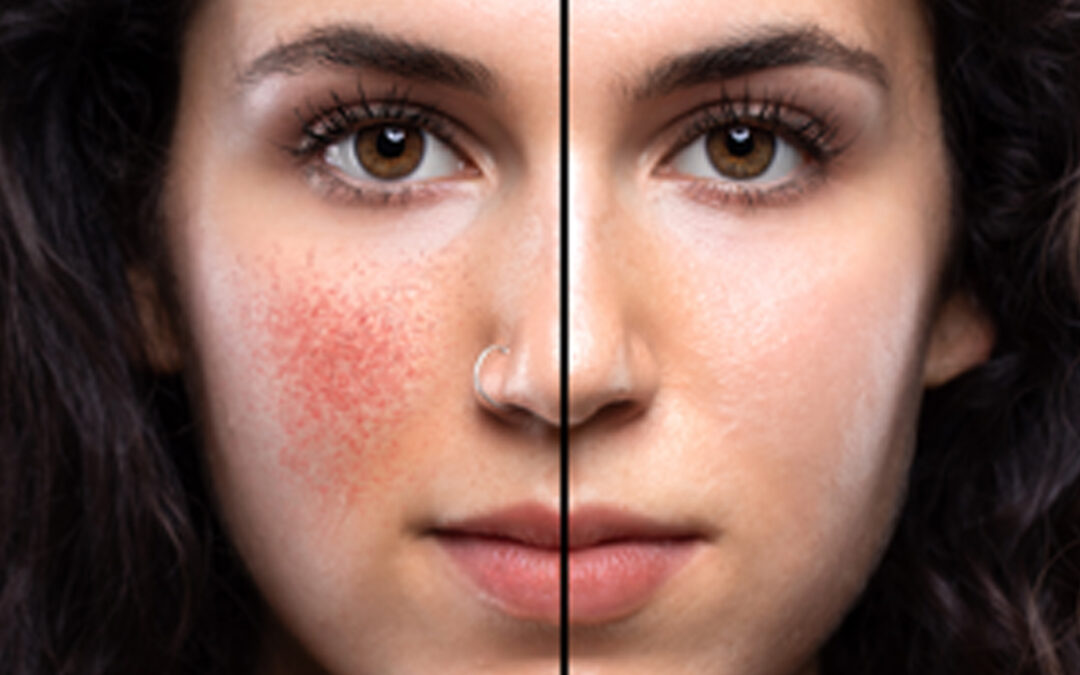
Sensitive skin has become one of the most common skin concerns worldwide. Many people experience redness, burning, stinging, dryness, irritation, or skin that seems to react unpredictably to products, environmental conditions, and everyday life.
One of the most common misconceptions about sensitive skin is that it is a distinct skin type like oily, dry, combination, or normal skin. In reality, sensitivity can occur in any skin type. A person may have oily sensitive skin, dry sensitive skin, combination sensitive skin, or even normal skin that becomes temporarily reactive.
Viewed through this lens, sensitive skin is often best understood as overwhelmed skin. It may be a sign that the skin’s protective systems have been challenged beyond their ability to comfortably adapt and recover. As a result, the skin becomes more vulnerable to irritation, dryness, redness, burning, stinging, and other forms of discomfort.
In this state, the solution is not always more correction. Repeatedly introducing stronger acids, additional active ingredients, or increasingly aggressive treatments place further stress on an already compromised barrier. In many cases, the skin responds best when the focus shifts from correction to restoration.
Understanding why sensitive skin develops is often the first step toward restoring calmer, healthier skin. In this article, we explore the factors that contribute to skin sensitivity, the important role of the skin barrier, and practical ways to improve skin comfort and tolerance over time.
In This Article, You’ll Learn
- Why sensitive skin is not a separate skin type and can affect any skin type
- What reduced skin tolerance means and why it is central to understanding skin sensitivity
- How skin barrier dysfunction contributes to redness, irritation, dryness, and discomfort
- Why environmental stress, overstimulation, lifestyle factors, and emotional stress increase skin reactivity
- Practical strategies to calm sensitivity, support the skin barrier, and improve long-term skin resilience
Key Takeaways
- Sensitive skin is not a separate skin type; it can affect any skin type when the skin’s protective systems are overwhelmed.
- A weakened skin barrier is often a key factor in skin sensitivity, allowing moisture loss and increased irritant penetration.
- Internal and external stressors—such as environmental factors, harsh products, over-exfoliation, or psychological stress—can cumulatively reduce the skin’s tolerance.
- Addressing sensitive skin often requires shifting from aggressive correction to supporting restoration and barrier recovery.
- Thoughtful skincare, balanced lifestyle choices, and barrier-friendly ingredients calm sensitivity, improve tolerance, and promote long-term skin resilience.
What Sensitive Skin Really Means
Sensitive skin is one of the most common yet least understood skin concerns. While many describe their skin as sensitive, the term can mean different things to different individuals. For some, it involves redness or irritation. For others, it may present as burning, stinging, itching, tightness, dryness, discomfort, or an unusual tendency to react to products, environmental conditions, or everyday exposures.
One of the most important concepts to understand is that sensitive skin is not necessarily a distinct skin type. Sensitivity can occur in oily, dry, combination, or normal skin. Rather than describing how much oil the skin produces, sensitive skin often reflects the skin’s ability to tolerate and adapt to the challenges it encounters every day.
Sensitive skin can be viewed as a state of reduced skin tolerance. In other words, the skin becomes less capable of comfortably adapting to the everyday challenges it encounters. Products, environmental conditions, temperature changes, emotional stress, and other exposures that may once have been well tolerated can begin to trigger discomfort, irritation, or increased reactivity. The issue is often not the exposure itself, but a reduced ability of the skin to tolerate and recover from it.
This perspective explains why sensitive skin is often described as overwhelmed skin. The issue is not necessarily that the environment has become more aggressive, but that the skin’s ability to tolerate and recover from everyday stressors has been diminished. As tolerance declines, the skin becomes reactive to exposures that were once comfortably managed.
Importantly, sensitive skin is not always visible. Some individuals experience burning, stinging, itching, tingling, tightness, or discomfort even when little or no redness is present. In many cases, these sensations may appear before visible signs of irritation become apparent.
Sensitive skin is a complex condition that involves multiple interconnected factors, including barrier dysfunction, inflammation, alterations in the skin microbiome, and increased sensitivity within the skin’s sensory response system. This explains why sensitive skin can present differently from one person to another and why there is rarely a single cause.
Understanding sensitive skin as a condition of reduced skin tolerance shifts the focus beyond simply treating symptoms. Rather than asking only what is irritating the skin, it encourages us to ask why the skin has become less able to comfortably tolerate those exposures in the first place. This perspective provides a more complete understanding of sensitive skin and guides a more comprehensive path toward healthier, more comfortable skin.
To better understand how these protective systems work together, see The Skin Microbiome: Why Healthy-Looking Skin Depends on Balance and The Skin Barrier: The Foundation of Healthy, Resilient Skin.
Why Sensitive Skin Has Become More Common
Sensitive skin is one of the most commonly reported skin concerns worldwide. While genetics may influence an individual’s predisposition to sensitivity, genetics alone cannot explain why so many people develop sensitive skin over time.
One reason sensitive skin has become increasingly common is that sensitivity often develops gradually rather than appearing suddenly. In many cases, it reflects the cumulative effect of multiple internal and external stressors that slowly reduce the skin’s ability to tolerate and recover from everyday challenges.
Modern life exposes the skin to a wide range of demands. Air pollution, ultraviolet radiation, temperature fluctuations, low humidity, emotional stress, inadequate sleep, and other environmental and lifestyle factors place ongoing pressure on the skin. At the same time, skincare routines have become increasingly complex, often involving multiple active ingredients, exfoliants, cosmetic procedures, and treatments used in pursuit of faster or more dramatic results.
Individually, these factors may not cause significant problems. However, their effects accumulate over time. As the skin is repeatedly challenged without sufficient opportunity to recover, its ability to maintain comfort, balance, and healthy function gradually decline.
This helps explain why sensitive skin often develops progressively. Mild dryness, occasional irritation, increased product reactivity, or intermittent discomfort seem unrelated at first. Over time, however, these changes signal that the skin’s tolerance threshold is beginning to decline.
Importantly, these influences rarely occur in isolation. Environmental exposure, skincare practices, emotional stress, lifestyle habits, and natural aging often interact with one another. The result is not necessarily a single cause of sensitivity, but a gradual accumulation of factors that increase the skin’s vulnerability to irritation and discomfort.
Understanding sensitive skin as the cumulative result of multiple stressors explains why there is rarely a single cause—or a single solution. It encourages a broader view of skin health that considers the many factors influencing sensitivity over time.
The Skin Barrier and Sensitive Skin
If sensitive skin had a central player, it would be the skin barrier.
One of the most important advances in skin science has been understanding the strong relationship between skin barrier function and skin sensitivity. While multiple factors contribute to sensitive skin, the condition often becomes more noticeable when the skin barrier is no longer able to perform its protective role effectively.
The skin barrier is located within the outermost layers of the skin and serves as the body’s first line of defense against the external environment. It helps retain moisture, support hydration, maintain the skin microbiome, and limit the penetration of irritants, allergens, pollutants, and other environmental stressors.
When the skin barrier is healthy, most people rarely think about it. The skin is generally able to retain moisture, tolerate everyday exposures, and maintain comfort despite changing environmental conditions. However, when barrier function becomes compromised, the skin often becomes more vulnerable to moisture loss, irritation, inflammation, and discomfort.
This is why individuals with sensitive skin frequently experience burning, stinging, itching, tightness, redness, dryness, or increased product reactivity. In many cases, the issue is not that a particular product or environmental exposure suddenly became problematic. Rather, the skin’s ability to protect itself from those exposures has been diminished.
Barrier disruption rarely occurs overnight. Environmental exposure, excessive exfoliation, harsh active ingredients, cosmetic procedures, over-cleansing, emotional stress, inadequate sleep, and natural aging gradually place increasing demands on the skin. Over time, these cumulative pressures weaken barrier function and increase the likelihood of sensitivity.
Understanding the skin barrier’s role changes how we think about sensitive skin. Rather than viewing sensitivity solely as a collection of symptoms to be managed, it can be viewed as a signal that the skin’s protective systems needs support. This perspective helps explain why improving barrier function is often one of the most important steps in helping sensitive skin become calmer, healthier, and more comfortable.
To learn more about the skin barrier and its essential role in skin health, see The Skin Barrier: The Foundation of Healthy, Resilient Skin.
How Overstimulation Contributes to Skin Sensitivity
Many people assume that sensitive skin is something a person either has or does not have. In reality, sensitivity can sometimes develop gradually when the skin is repeatedly exposed to more stimulation than it can comfortably tolerate.
Modern skincare offers remarkable tools for improving the appearance of the skin. Exfoliating acids, retinoids, chemical peels, laser treatments, microneedling, radiofrequency procedures, and other advanced treatments can provide meaningful benefits when used appropriately. Many of these approaches work by intentionally stimulating the skin’s natural renewal and repair processes.
The challenge is that stimulation and recovery must remain in balance.
Healthy skin is designed to respond to challenges and then recover from them. However, when the skin is repeatedly exposed to multiple active ingredients, frequent exfoliation, aggressive treatment schedules, or cosmetic procedures performed too often, recovery may struggle to keep pace with stimulation.
The earliest signs are often subtle. Mild dryness, tightness, occasional redness, increased product reactivity, or intermittent discomfort appear insignificant at first. Over time, however, these changes indicate that the skin is becoming less able to comfortably tolerate the demands being placed upon it.
This is why products and treatments that once seemed beneficial may eventually begin to trigger burning, stinging, redness, itching, or irritation. In many cases, the problem is not a single ingredient or procedure. Rather, the cumulative level of stimulation has exceeded the skin’s capacity to recover and maintain healthy function.
Importantly, this does not mean that active ingredients or cosmetic procedures should be avoided. The goal is not to stop challenging the skin, but to challenge it thoughtfully. Effective skincare requires balancing visible results with the skin’s ongoing need for recovery, repair, and protection.
For many individuals, improving skin comfort begins not by adding more products or treatments, but by reducing unnecessary sources of irritation and allowing the skin sufficient time and support to recover. In some cases, healthier skin results not from doing more, but from doing less.
Environmental Stress and Sensitive Skin
Every day, the skin is exposed to ultraviolet radiation, air pollution, wind, temperature fluctuations, low humidity, and countless other environmental influences. Healthy skin is designed to adapt to these challenges. However, for individuals with sensitive skin, the same exposures may trigger irritation, discomfort, or increased reactivity.
One of the most important things to understand about environmental stress is that the environment itself is not always the problem. Conditions that cause little reaction in one person may trigger noticeable symptoms in another. The difference often lies in how effectively the skin is able to tolerate and respond to those exposures.
Environmental stressors contribute to moisture loss, promote inflammation, and place additional demands on the skin’s protective functions. As these demands accumulate, the skin becomes less comfortable, more reactive, and increasingly vulnerable to irritation.
This is why sensitive skin often fluctuates over time. A climate, season, product, or environmental exposure that feels perfectly comfortable at one point becomes problematic at another. In many cases, the environment has not changed significantly. The skin’s ability to cope with that environment has changed.
Environmental stress also rarely occurs in isolation. Pollution, sun exposure, dry air, and temperature extremes are often accompanied by emotional stress, inadequate sleep, aggressive skincare practices, and other factors that place additional demands on the skin. Together, these influences increase the likelihood of sensitivity over time.
For individuals with sensitive skin, supporting the skin’s natural defenses is often just as important as minimizing environmental exposure. Protecting the skin from excessive environmental stress while supporting healthy skin function improve comfort and promote healthier skin over time.
To learn more about the role environmental stressors play in skin health, see The Hidden Environmental Factors: How They Affect Skin Health.
Stress, Sleep, and Internal Wellness
Many assume that sensitive skin is caused primarily by products, ingredients, or environmental exposure. While these factors play a role, the skin does not function independently from the rest of the body. What happens internally influences how the skin responds to the world around it.
This explains a common experience among individuals with sensitive skin: a product that feels perfectly comfortable one month may suddenly trigger irritation, discomfort, or increased reactivity the next, even though the product itself has not changed. In many cases, the difference lies not in the product, but in the condition of the skin.
Emotional stress is one example. Periods of ongoing stress can influence inflammatory processes throughout the body and may contribute to increased skin sensitivity, irritation, or flare-ups of existing skin concerns. To learn more, see Chronic Stress: How It Affects Health and Skin.
Sleep is equally important. During sleep, the body performs many of the repair and recovery processes that support healthy skin. When sleep is inadequate or consistently disrupted, the skin may become less capable of recovering from everyday challenges.
Nutrition and overall wellness also influence how the skin looks, feels, and functions. While no single food can eliminate sensitive skin, overall health and skin health are closely connected. To learn more, see Nutrition and Skin Health: How Diet, Sleep, Exercise, and Stress Influence Healthy Skin.
Sensitive skin is not always a skincare problem. Sometimes it is a reflection of how well the body is recovering from the demands placed upon it. For this reason, supporting sensitive skin often extends beyond topical skincare alone. Healthy lifestyle habits, restorative sleep, stress management, and overall wellness all play an important role in helping the skin remain more comfortable and better able to cope with everyday challenges.
Restoring Calm, Strength, and Skin Tolerance
Sensitive skin often develops gradually as environmental exposure, aggressive skincare practices, cosmetic procedures, emotional stress, and other factors place increasing demands on the skin. Improvement often begins when these demands are reduced and the skin is given the support and time it needs to recover.
Restoring sensitive skin is rarely about finding a single miracle ingredient, treatment, or product. More often, it involves simplifying overly aggressive skincare routines, minimizing unnecessary sources of irritation, allowing adequate recovery between cosmetic procedures, and supporting the skin’s natural ability to protect, repair, and maintain healthy function.
For many, this may include simplifying skincare routines, reducing excessive exfoliation, allowing adequate recovery between cosmetic procedures, protecting the skin from environmental stressors, prioritizing restorative sleep, managing stress, and supporting overall wellness.
Importantly, restoring skin tolerance is rarely an overnight process. Sensitive skin often develops gradually, and improvement typically occurs in the same way. As the skin is given the opportunity to recover, many individuals notice that irritation becomes less frequent, discomfort begins to diminish, and products that were once poorly tolerated become easier to use.
Over time, these changes help the skin retain moisture more effectively, become less reactive to everyday exposures, and better tolerate products and environmental conditions that may have previously triggered discomfort.
For many, healthier skin is achieved not by continuously adding stronger products or more aggressive treatments, but by reducing unnecessary sources of irritation and giving the skin the support it needs to recover and maintain its natural protective functions.
Conclusion
Sensitive skin is often a sign that the skin’s ability to tolerate everyday challenges has been diminished. Rather than being defined by a particular skin type, sensitivity can develop when environmental exposures, skincare practices, lifestyle factors, and other stressors gradually place more demands on the skin than it can comfortably manage.
Understanding sensitive skin in this way shifts the focus beyond simply reacting to symptoms as they appear. It encourages a deeper appreciation of the protective systems that maintain skin comfort, resilience, and healthy function. When these systems become compromised, the skin becomes more vulnerable to irritation, dryness, redness, and increased reactivity.
Perhaps the most important takeaway is that restoring sensitive skin begins with support rather than correction. By reducing unnecessary sources of stress and creating conditions that allow the skin to recover, it is often possible to improve comfort, strengthen tolerance, and promote healthier, more resilient skin over time.
How Blue Beautifly Supports Sensitive Skin
At Blue Beautifly, our approach to sensitive skin is guided by a simple philosophy: healthy skin is most likely to thrive when its natural protective systems are supported rather than continually challenged.
Sensitive skin is often viewed as something that must be controlled, corrected, or constantly managed. At Blue Beautifly, we take a different approach. We believe sensitive skin frequently benefits more from restoring balance and supporting healthy skin functions than from continually increasing the intensity of corrective treatments.
Every Blue Beautifly product is dermatologically tested for sensitive skin because supporting sensitive and stressed skin has always been central to our formulation philosophy. We recognize that skin experiencing reduced tolerance, compromised barrier function, environmental stress, or ongoing irritation requires a thoughtful approach that prioritizes skin comfort, hydration, and barrier support.
Our formulations combine carefully selected botanical ingredients with a science-informed understanding of skin health, hydration, barrier function, and skin comfort. Our formulations feature botanical ingredients selected for their ability to support hydration, skin comfort, barrier function, and overall skin wellness, including aloe vera juice, tamanu oil, sea buckthorn berry oil, argan oil, shea butter, cacao butter, Mediterranean pine bark extract, calendula flower extract, and chamomile flower extract. Many of these ingredients have also been the subject of scientific and clinical research investigating their soothing, antioxidant, moisturizing, and skin-supportive properties.
Equally important is what we choose to leave out of our formulations. Our Refuse-to-Use list of what we consider to be harmful ingredients is the strictest in the industry. Sensitive skin may be more vulnerable to irritation from unnecessarily harsh ingredients, overly aggressive formulations, or excessive exposure to concentrated active ingredients. For this reason, our products are thoughtfully crafted to support healthy skin functions while respecting the skin’s natural protective ecosystem.
Our goal is not simply to provide temporary relief, but to support stronger, healthier skin with improved comfort and tolerance over time. By combining carefully selected botanical ingredients with a science-informed approach to formulation, we strive to help sensitive skin feel calmer, more comfortable, and better supported every day.
Frequently Asked Questions
Is sensitive skin a skin type?
Not really. Sensitive skin can occur in oily, dry, combination, or normal skin. Rather than being a distinct skin type, it often reflects a reduced ability to comfortably tolerate everyday stressors and exposures.
Can sensitive skin develop over time?
Yes. While some individuals may be naturally predisposed to sensitive skin, sensitivity can also develop gradually as environmental exposure, skincare practices, stress, lifestyle factors, aging, and other influences place increasing demands on the skin.
Can sensitive skin develop suddenly?
Sometimes it may appear to develop suddenly. However, sensitivity often reflects changes that have been occurring gradually over time. What seems like a sudden reaction may be the result of cumulative stressors that have slowly reduced the skin’s ability to tolerate and recover from everyday challenges.
What are the most common signs of sensitive skin?
Common signs include redness, burning, stinging, itching, tightness, dryness, discomfort, or increased reactivity to products and environmental conditions. In some cases, sensitive skin may feel uncomfortable even when little or no visible irritation is present.
Can over-exfoliation and cosmetic procedures contribute to sensitive skin?
Yes. Excessive exfoliation, frequent use of active ingredients, or cosmetic procedures performed too aggressively or too often may increase skin sensitivity over time, particularly when the skin is not given adequate time to recover.
Can sensitive skin improve?
Yes. In many cases, sensitive skin can improve when the focus shifts from aggressive correction to supporting barrier function, hydration, recovery, and overall skin health. Improvement is usually gradual and depends on consistency and reducing unnecessary sources of irritation.
Which ingredients are often beneficial for sensitive skin?
Ingredients that support hydration, skin comfort, and healthy barrier function are often well suited for sensitive skin. Examples include aloe vera, chamomile, calendula, tamanu oil, sea buckthorn berry oil, argan oil, shea butter, and cocoa butter.
Should people with sensitive skin avoid all active ingredients?
Not necessarily. Many active ingredients can provide meaningful benefits when appropriately selected and used in moderation. The key is choosing products that respect the skin’s tolerance level and avoiding unnecessary overstimulation.
Support Healthier, More Comfortable Skin
Sensitive skin often benefits from a gentler approach—one that prioritizes barrier support, hydration, skin comfort, and improved skin tolerance over time.
At Blue Beautifly, we believe sensitive skin benefits more from support than from constant correction. Our dermatologically tested skincare products are thoughtfully formulated to calm sensitive skin, support the skin barrier, and promote long-term skin health.
Explore our skincare collection and discover a gentler approach to supporting calmer, healthier, more comfortable skin. See our Shop by Skin Type pages for a detailed step-by-step skincare regimen tailored to each skin type.
Related Articles
- The Skin Barrier: The Foundation of Healthy, Resilient Skin
- The Hidden Environmental Factors: How They Affect Skin Health
- The Pursuit of Healthy Skin: Why Balance Matters More Than Appearance of Perfection
- Chronic Stress: How It Affects Health and Skin
- Nutrition and Skin Health: How Diet, Sleep, Exercise, and Stress Influence Healthy Skin
- The Skin Microbiome: Why Healthy-Looking Skin Depends on Balance
References
- Misery L, Ständer S, Szepietowski JC, Reich A, Wallengren J, Evers AWM, et al. Definition of Sensitive Skin: An Expert Position Paper from the Special Interest Group on Sensitive Skin of the International Forum for the Study of Itch. Acta Derm Venereol. 2017;97(1):4-6. doi:10.2340/00015555-2397.
- Coastal Dermatology & Plastic Surgery. Sensitive Skin Care Tips for Maintaining Healthy, Calm Skin.
- WebMD Editorial Contributors. Sensitive Skin: 20 Questions.